















Page 107-108
see pinyin at bottom
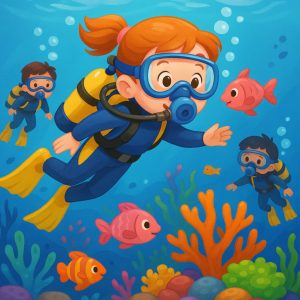
The Ocean
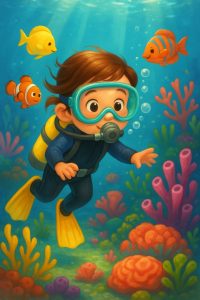
Lily went on another trip
with her classmates.
莉莉和她的同學們又去了一次旅行。

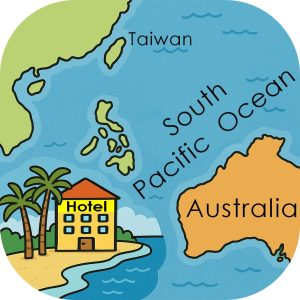
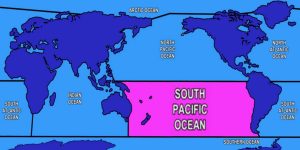
This time, they traveled to
the South Pacific Ocean,
near Australia.
這次,他們前往靠近澳洲的南太平洋。
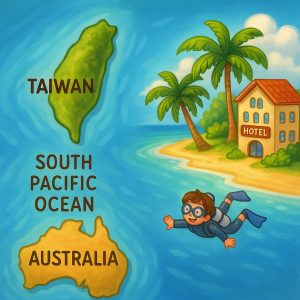
They stayed in a hotel
at the beach.
他們住在海灘旁的一家飯店。

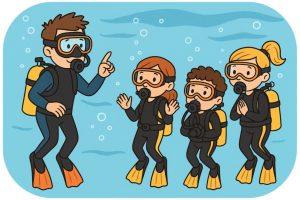
First, they had to learn
to scuba dive because
they wanted to look at
the fishes and the coral underwater.
首先,他們必須學習水肺潛水,
因為他們想要觀察水下的魚群和珊瑚。
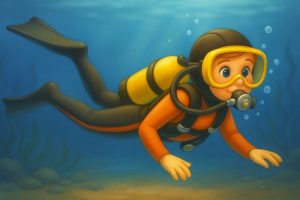
People can’t stay
under the water
for a long time,
so they need air tanks 
to help them breathe


and goggles to see
everything in the water.
人們不能長時間待在水下,
所以他們需要氧氣瓶來幫助呼吸,
也需要護目鏡來看清水中的一切。

One morning Lily and her classmates
went out on the ocean in a boat.
一天早上,
莉莉和她的同學們搭船出海。

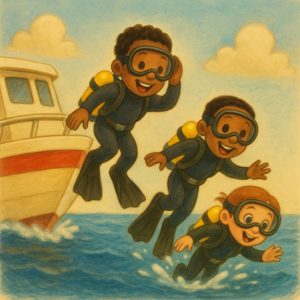
They wore wetsuits,
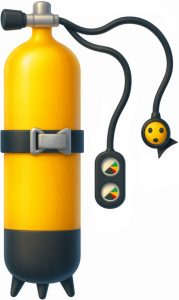 air tanks
and flippers 
and jumped into the ocean.
他們穿著潛水衣,
背著氧氣瓶,
戴著蛙鞋,
然後跳入海中。
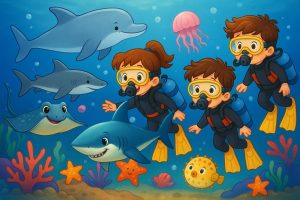
They saw lots of
different kinds of fish.
他們看到許多不同種類的魚。
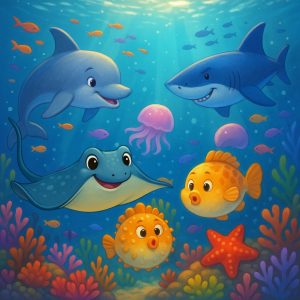
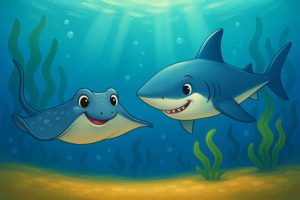
There were dolphins, sharks,
stingrays and some jellyfish,
puffer fish and starfish.
有海豚、
鯊魚、魟魚,
以及一些水母、
河豚和海星。
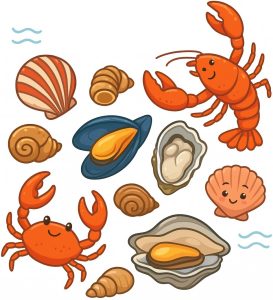
On the ocean floor
they saw some shellfish.
他們在海底看到一些貝類。
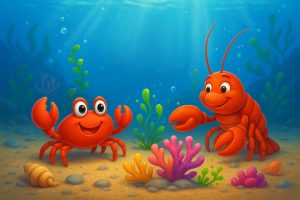
Shellfish like crab
and lobster have hard shells
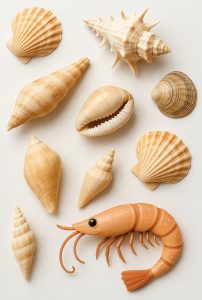
that cover their bodies.
像螃蟹和龍蝦這樣的貝類有堅硬的
外殼包覆著身體。
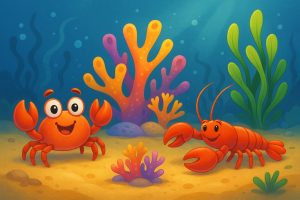
There was also
some beautiful coral.
那裡還有一些美麗的珊瑚。
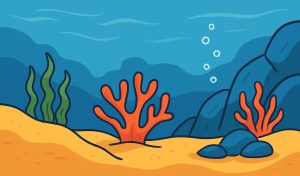
Their teacher told them
that coral is an animal
that grows and lives
in the ocean.
他們的老師告訴他們,
珊瑚是一種生活在海中的動物。
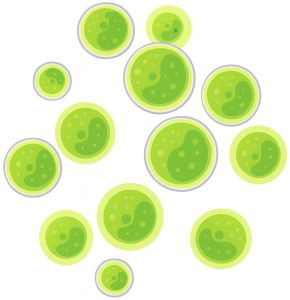
It gets food from algae.
它從藻類中獲取食物。
Algae are very tiny plants
with no roots, stems or leaves.
藻類是沒有根、莖或葉的微小植物。
Other plants 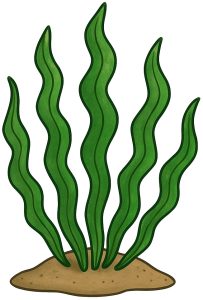
found in the ocean
are seaweed or kelp.
在海中可以找到的其他植物包括海藻和海帶。
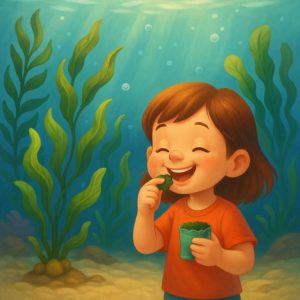
Many people
like to eat seaweed.
很多人喜歡吃海藻。
Lily thought that
the coral was very beautiful.
莉莉覺得珊瑚非常漂亮。
She wanted
to take some home,
but she couldn’t.
她想帶一些回家,但她不能這麼做。
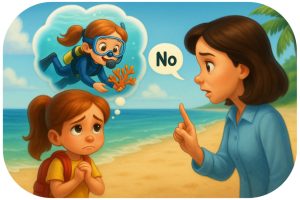
Her teacher told her
that it would die
if she took it out of
the ocean.
她的老師告訴她,
若將珊瑚帶離海洋,
它就會死掉。
After swimming
for a long time,
everybody was thirsty.
游了很長一段時間後,
每個人都覺得口渴。
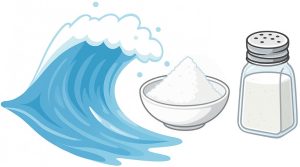
Ocean water is very salty
and people can’t drink it,
so they went back to
the hotel.
海水非常鹹,人們不能喝它,
所以他們回到了飯店。
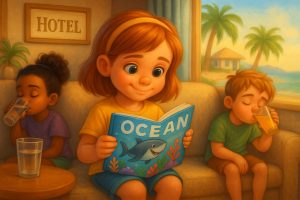
Lily bought a book
with beautiful photographs
of the ocean and all the fish,
to take home.
莉莉買了一本有著海洋和各種魚類美麗照片的
書帶回家。
with pinyin below
The ocean.
海洋。
Hǎi yáng.
Lily went on another trip with her classmates.
莉莉和她的同學們又去了一次旅行。
Lì lì hé tā de tóng xué men yòu qù le yí cì lǚ xíng.
This time, they traveled to the South Pacific Ocean, near Australia.
這次,他們前往靠近澳洲的南太平洋。
Zhè cì, tā men qián wǎng kào jìn ào zhōu de nán tài píng yáng.
They stayed in a hotel at the beach.
他們住在海灘旁的一家飯店。
Tā men zhù zài hǎi tān páng de yì jiā fàn diàn.
First, they had to learn to scuba dive
because they wanted to look at the fishes and the coral underwater.
首先,他們必須學習水肺潛水,
因為他們想要觀察水下的魚群和珊瑚。
Shǒu xiān, tā men bì xū xué xí shuǐ fèi qián shuǐ,
yīn wèi tā men xiǎng yào guān chá shuǐ xià de yú qún hé shān hú.
People can’t stay under the water for a long time,
so they need air tanks to help them breathe
and goggles to see everything in the water.
人們不能長時間待在水下,所以他們需要氧氣瓶來幫助呼吸,
也需要護目鏡來看清水中的一切。
Rén men bù néng cháng shí jiān dāi zài shuǐ xià,
suǒ yǐ tā men xū yào yǎng qì píng lái bāng zhù hū xī, yě xū yào hù mù jìng lái kàn qīng shuǐ zhōng de yí qiè.
One morning Lily and her classmates
went out on the ocean in a boat.
一天早上,莉莉和她的同學們搭船出海。
Yì tiān zǎo shàng, Lì lì hé tā de tóng xué men dā chuán chū hǎi.
They wore wetsuits, air tanks and flippers
and jumped into the ocean.
他們穿著潛水衣,背著氧氣瓶,戴著蛙鞋,然後跳入海中。
Tā men chuān zhe qián shuǐ yī, bèi zhe yǎng qì píng,
dài zhe wā xié, rán hòu tiào rù hǎi zhōng.
They saw lots of different kinds of fish.
他們看到許多不同種類的魚。
Tā men kàn dào xǔ duō bù tóng zhǒng lèi de yú.
There were dolphins, sharks, stingrays
and some jellyfish, puffer fish and starfish.
有海豚、鯊魚、魟魚,以及一些水母、河豚和海星。
Yǒu hǎi tún, shā yú, hōng yú, yǐ jí yì xiē shuǐ mǔ, hé tún hé hǎi xīng.
On the ocean floor they saw some shellfish.
他們在海底看到一些貝類。
Tā men zài hǎi dǐ kàn dào yì xiē bèi lèi.
Shellfish like crab and lobster have hard shells
that cover their bodies.
像螃蟹和龍蝦這樣的貝類有堅硬的外殼包覆著身體。
Xiàng páng xiè hé lóng xiā zhè yàng de bèi lèi yǒu jiān yìng de wài ké bāo fù zhe shēn tǐ.
There was also some beautiful coral.
那裡還有一些美麗的珊瑚。
Nà lǐ hái yǒu yì xiē měi lì de shān hú.
Their teacher told them that coral
is an animal that grows and lives in the ocean.
他們的老師告訴他們,珊瑚是一種生活在海中的動物。
Tā men de lǎo shī gào sù tā men,
shān hú shì yì zhǒng shēng huó zài hǎi zhōng de dòng wù.
It gets food from algae.
它從藻類中獲取食物。
Tā cóng zǎo lèi zhōng huò qǔ shí wù.
Algae are very tiny plants with no roots, stems or leaves.
藻類是沒有根、莖或葉的微小植物。
Zǎo lèi shì méi yǒu gēn, jīng huò yè de wēi xiǎo zhí wù.
Other plants found in the ocean are seaweed or kelp.
在海中可以找到的其他植物包括海藻和海帶。
Zài hǎi zhōng kě yǐ zhǎo dào de qí tā
zhí wù bāo kuò hǎi zǎo hé hǎi dài.
Many people like to eat seaweed.
很多人喜歡吃海藻。
Hěn duō rén xǐ huān chī hǎi zǎo.
Lily thought that the coral was very beautiful.
莉莉覺得珊瑚非常漂亮。
Lì lì jué de shān hú fēi cháng piào liang.
She wanted to take some home, but she couldn’t.
她想帶一些回家,但她不能這麼做。
Tā xiǎng dài yì xiē huí jiā, dàn tā bù néng zhè me zuò.
Her teacher told her that it would die
if she took it out of the ocean.
她的老師告訴她,若將珊瑚帶離海洋,它就會死掉。
Tā de lǎo shī gào sù tā, ruò jiāng shān hú dài lí hǎi yáng,
tā jiù huì sǐ diào.
After swimming for a long time, everybody was thirsty.
游了很長一段時間後,每個人都覺得口渴。
Yóu le hěn cháng yí duàn shí jiān hòu,
měi gè rén dōu jué de kǒu kě.
Ocean water is very salty and people can’t drink it,
so they went back to the hotel.
海水非常鹹,人們不能喝它,所以他們回到了飯店。
Hǎi shuǐ fēi cháng xián, rén men bù néng hē tā,
suǒ yǐ tā men huí dào le fàn diàn.
Lily bought a book with beautiful photographs
of the ocean and all the fish, to take home.
莉莉買了一本有著海洋和各種魚類美麗照片的書帶回家。
Lì lì mǎi le yì běn yǒu zhe hǎi yáng hé gè zhǒng yú lèi měi lì
zhào piàn de shū dài huí jiā.